How Call Ball Works
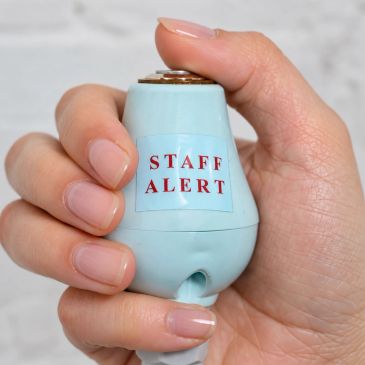
1. Patient activates the switch.
1. Patient activates the switch.
1. Patient activates the switch.
The patient uses the handheld switch to signal that they need assistance.
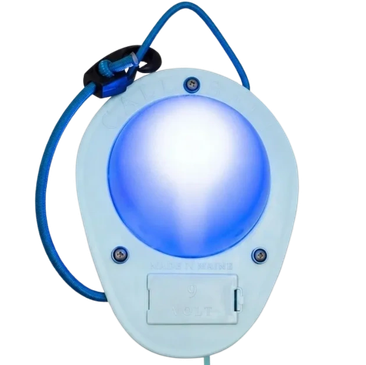
2. The blue light turns on.
1. Patient activates the switch.
1. Patient activates the switch.
CallBall creates a visible, non-audible alert without adding another alarm sound.
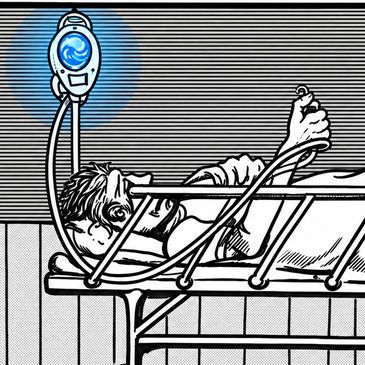
3. Staff can see the request.
1. Patient activates the switch.
3. Staff can see the request.
Staff within line of sight can recognize the illuminated light as a request for assistance.
Where Call Ball Fits
Emergency Department Hallways
A visual way for appropriate patients on hallway stretchers to request assistance.
Overflow and Open-Bay Care
Communication support in temporary or shared care spaces without traditional call access.
Waiting and Transport Holding
A way for appropriate patients awaiting care, imaging, procedures, or transport to signal for assistance within staff sight lines.
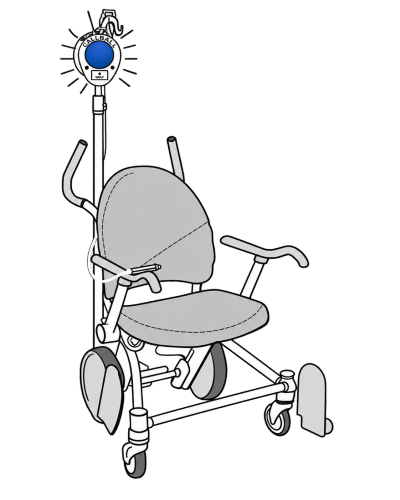
Chairs and Wheelchairs
CallBall can be positioned near seated patients where its light remains visible to staff.
Placement matters
The care team determines whether CallBall fits the patient and setting. Patients must be able to understand and activate the device, and staff must have a clear view of the illuminated alert.
Not sure whether CallBall fits your setting?
Contact us to discuss your use case.